
Single Core vs Multi Core Electrical Wires – Karachi Guide | Uaiconicsoft Inc
September 28, 2026
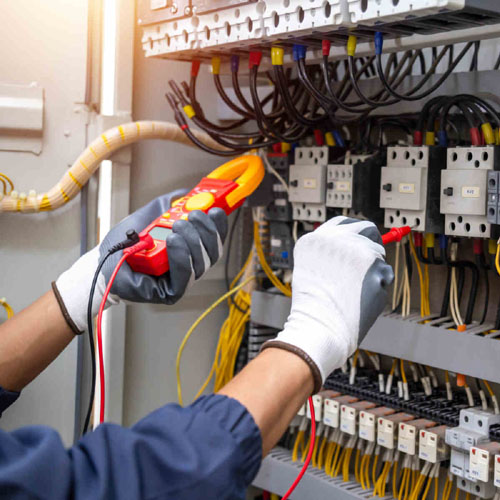
Choosing the right electrical wire or cable is an important part of any residential, commercial, or industrial electrical installation. In Karachi, electricians, contractors, engineers, builders, and businesses often need to decide between single core wires and multi core cables.
At UAIConicSoft Inc, we help customers identify suitable cable solutions based on the application, conductor requirements, installation environment, and project specifications.
What Is a Single Core Electrical Wire?
A single core wire contains one electrical conductor surrounded by an insulating layer. The conductor can be solid or stranded depending on the cable construction and application.
Single core wires are commonly used in fixed electrical installations where individual conductors are routed through conduits, trunking, panels, or other protected pathways.
Common Applications of Single Core Wires
Single core wires are commonly used for:
- Residential electrical wiring
- Distribution boards
- Electrical panels
- Switchboards
- Control circuits
- Conduit installations
- Fixed commercial wiring
- Internal building electrical systems
Advantages of Single Core Wires
- Suitable for fixed installations
- Simple to route through conduits
- Easy to terminate
- Available in different conductor sizes
- Suitable for individual electrical circuits
- Can be economical for conventional building wiring
What Is a Multi Core Cable?
A multi core cable contains two or more insulated conductors enclosed inside a common outer sheath.
Instead of installing several separate cables, multiple conductors can be combined into a single cable assembly. This can make installation and cable management easier for equipment, machinery, control systems, and other applications.
Common Applications of Multi Core Cables
Multi core cables can be used in:
- Industrial machinery
- Control panels
- Automation systems
- Generators
- UPS systems
- Electrical equipment
- Commercial installations
- Control and instrumentation applications
- Equipment interconnections
Advantages of Multi Core Cables
- Multiple conductors in one cable
- Cleaner cable management
- Convenient for equipment connections
- Suitable for control and industrial applications
- Reduces the need to route multiple individual cables
- Available in different conductor counts and sizes
Single Core vs Multi Core Cable
| Feature | Single Core Wire | Multi Core Cable |
|---|---|---|
| Conductors | One conductor | Two or more conductors |
| Construction | Individual insulated conductor | Multiple insulated conductors with common sheath |
| Typical installation | Fixed wiring | Equipment, control and industrial applications |
| Cable management | Multiple wires may be required | Multiple conductors are combined |
| Flexibility | Depends on conductor construction | Depends on cable construction |
| Common applications | Buildings, panels, conduits | Machinery, equipment, control systems |
| Selection | Based on circuit/load requirements | Based on conductor count, load and application |
Which One Should You Choose?
The correct choice depends on the application rather than simply choosing the cable with the lowest price.
For Residential Wiring
Single core wires are commonly used for fixed residential wiring because individual circuits can be routed through conduits and connected to switches, sockets, distribution boards, and other electrical points.
For Commercial Projects
Commercial buildings may use both single core and multi core cables depending on the electrical system. The appropriate cable should be selected according to the circuit design, installation method, load, and project specifications.
For Industrial Applications
Industrial projects often require specialized cable solutions. Multi core cables can be useful for machinery, control panels, automation equipment, and other systems where several conductors need to be routed together.
Important Factors When Selecting Electrical Cables
Before purchasing electrical wire or cable, consider more than just conductor size.
Important factors include:
- Conductor material
- Conductor size
- Number of cores
- Current-carrying capacity
- Voltage rating
- Insulation material
- Sheath material
- Installation method
- Operating temperature
- Required flexibility
- Cable length
- Voltage drop
- Environmental conditions
- Applicable standards and certifications
For a project with specific load or safety requirements, cable selection should be based on the electrical design and applicable standards.
Electrical & Specialty Cables from UAIConicSoft Inc
UAIConicSoft Inc supplies a range of electrical, communication, security, fire alarm, and specialty cables for commercial, industrial, engineering, and infrastructure requirements.
Our product range can include solutions for applications such as:
- Communication systems
- Security systems
- Fire alarm systems
- Industrial control
- Networking
- Building infrastructure
- Automation
- Data and signal transmission
We can also assist customers in identifying suitable cable specifications based on their project requirements.
For branded or specialized cable requirements, customers can provide the manufacturer, part number, required quantity, and technical specification so that the appropriate product can be sourced.
Why Cable Specification Matters
Two cables may look similar but have significantly different electrical and technical characteristics.
When purchasing a cable, it is recommended to verify:
Brand → Part Number → Core Count → Conductor Size → Insulation → Shielding → Voltage Rating → Application → Required Standards
This is particularly important for engineering projects where the cable specification must match the approved material or project BOQ.
At UAIConicSoft Inc, customers can share their required part number, BOQ, datasheet, or technical specification for assistance with sourcing.
Cable Supply in Karachi and Across Pakistan
Based in Karachi, UAIConicSoft Inc supports customers requiring communication, security, fire alarm, networking, and specialty cables.
We work with contractors, engineering companies, system integrators, businesses, and project-based customers.
Supply and delivery can be arranged for customers in Karachi as well as other locations across Pakistan, subject to product availability and order requirements.
Frequently Asked Questions
What is the main difference between single core and multi core cables?
A single core cable contains one conductor, while a multi core cable contains two or more insulated conductors inside a common outer sheath.
Is single core wire suitable for house wiring?
Single core wires are commonly used for fixed building wiring, including residential installations, when correctly sized and installed according to the applicable electrical requirements.
Where are multi core cables commonly used?
Multi core cables are commonly used for equipment, machinery, control panels, automation systems, and other applications where multiple conductors need to be installed together.
How do I choose the correct cable?
Cable selection depends on the electrical load, conductor size, number of cores, voltage rating, insulation, installation environment, applicable standards, and the specific project requirements.
Can UAIConicSoft Inc source a specific cable?
Yes. Customers can provide the brand, part number, technical specification, BOQ, or required quantity, and UAIConicSoft Inc can assist with sourcing and supply subject to availability.
Need the Right Cable for Your Project?
Whether you require communication cable, security cable, fire alarm cable, networking cable, industrial cable, or another specialty cable, choosing the correct specification is essential.
UAIConicSoft Inc can assist businesses, contractors, engineers, and project teams with cable sourcing based on their required specifications.
Send us your cable part number, specification, BOQ, or required quantity to discuss your requirement.